Quick verdict
This is the trail marathon that made Chamonix a running town, and it is a real mountain race, not a marathon with hills: 42 km, 2,540 m up and the same down, a 6:45 start in the town square and a loop that tops out at 2,185 m on the Aiguillette des Posettes before a final climb to Planpraz and the drop home. Ten hours is the limit, 2,300 is the field, and the organiser asks for a UTMB index of 350 and proper mountain experience. It sells out, and the weekend around it (90 km, 23 km, 10 km, the Vertical KM, a cross and kids' races) draws around 10,000 runners to the valley, 24–27 June 2027.
Course at a glance
One loop from Place du Triangle de l'Amitié. The first third is the gift: rolling valley trails up towards Argentière and Le Tour (feed station, km 13.5). Then the race begins — the steep, technical haul to the Aiguillette des Posettes at 2,185 m, the course's main challenge, and a very technical descent to Vallorcine (km 23.5). Over the Col des Montets and along the balcony traverse to La Flégère (km 34.2), a last climb to the Planpraz lift station, and the long descent into Chamonix with the massif ahead of you.
Where you'll feel it
On the Posettes, where the gradient goes past 15% on loose, rocky ground and the ridge is exposed to whatever the weather is doing, and again on the Flégère-to-Planpraz climb at kilometre 35 when the legs have already done a mountain's worth of descending. The last drop into town is the quad-shredder: 900 m down in the closing kilometres.
Best chance to push
The first 13 km to Le Tour: fast, rolling trails on the valley floor, the only stretch where a road runner's rhythm counts for anything. Bank a steady effort here and eat before the Posettes, not on it.
Three things to know
- Entries for 2026 opened on 20 October 2025 and the race sold out — expect a late-October opening for 2027, and note that 40% of the bibs are held for runners who commit to arriving by train or bus, with 10% more for valley residents.
- Cutoffs are counted from the last wave: Le Tour at +2 h 45, Vallorcine at +5 h 30, La Flégère at +8 h 30, and 10 hours to the finish. Six waves leave from 6:45.
- Mandatory kit is checked: a phone, at least a litre of water, a hooded waterproof jacket, a survival blanket, a cup, a whistle and cash. Trail shoes with real grip — the Posettes descent is the reason.
Race-day weather
Late June in the valley usually means 8–12°C at the 6:45 start and low twenties by early afternoon, but the ridge is a different climate: wind, cloud and a sudden storm are all possible at 2,000 m, which is why the jacket is mandatory. Snow patches on the Posettes are not unheard of in a late spring.
What runners wear
A vest with the mandatory kit, trail shoes with an aggressive sole, and layers you can shed: most start in a tee and arm sleeves and carry the jacket. Sun protection matters on the exposed sections, and gloves and a beanie are on the organiser's recommended list for the ridge.
Typical finish times
Rémi Bonnet won the 2026 race in 3:33:14 and Tove Alexandersson took the women's race in 3:55:07, the first woman under four hours. Most of the field is a very long way behind that: six to nine hours is a normal day out, and the 10-hour limit brings the last finishers into Chamonix in the late afternoon.
Worth the trip?
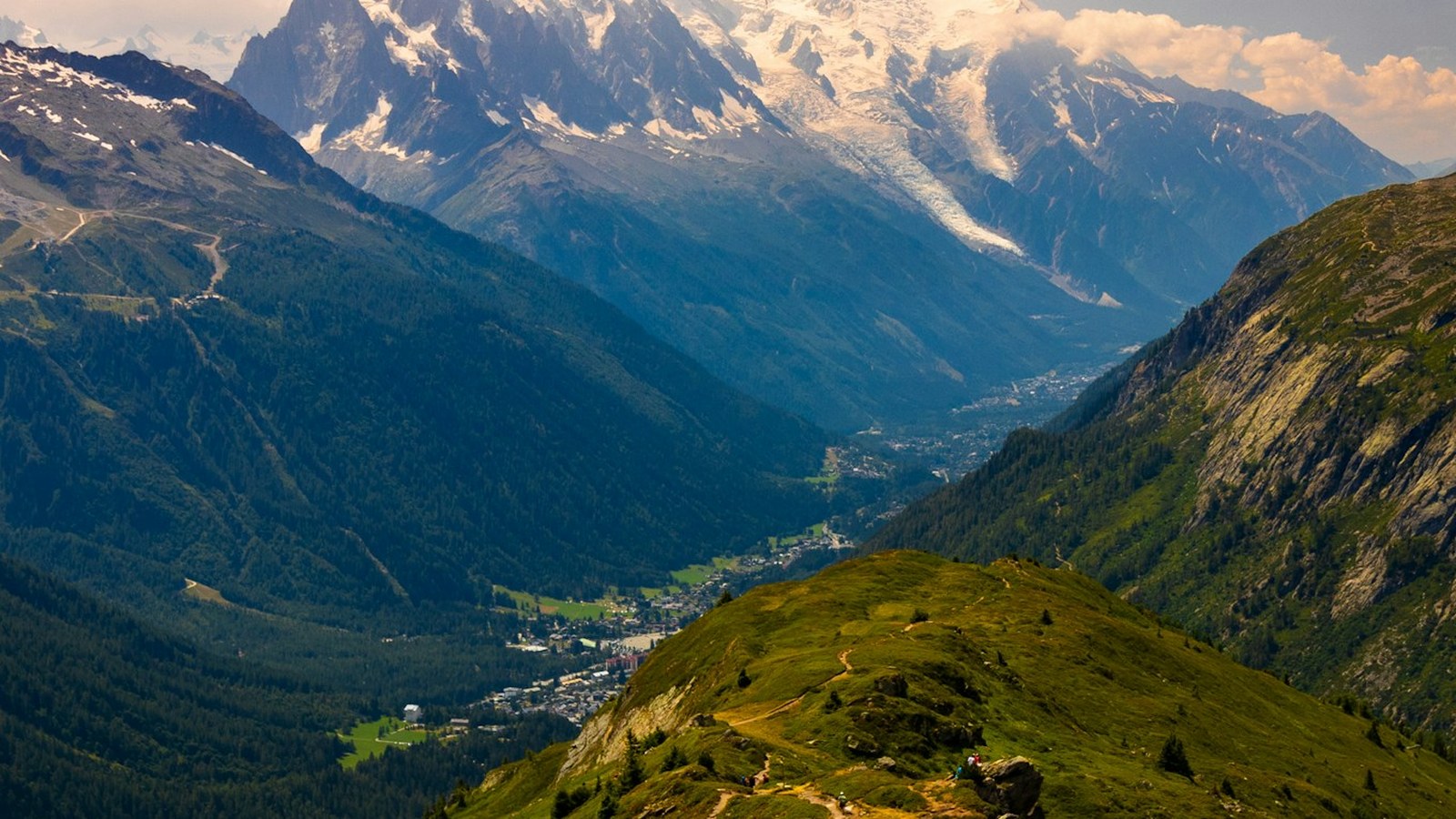
If you have run one mountain marathon on your list, this is the one with the view: the Mont Blanc massif is in front of you for most of the loop and the whole valley turns out for the weekend. Come for the 42 km if you have the legs and the index; otherwise the 23 km or the 10 km put you on the same trails with the same finish line.
Save Mont Blanc Marathon to your season and RunCalendar reminds you the morning entries open and before they close. Free on iPhone, no account needed.
Written by RunCalendar from the organiser's own published information and past editions. Entry states are checked nightly; everything else is written to last the season. This page is rebuilt every night from the RunCalendar catalogue.