Quick verdict
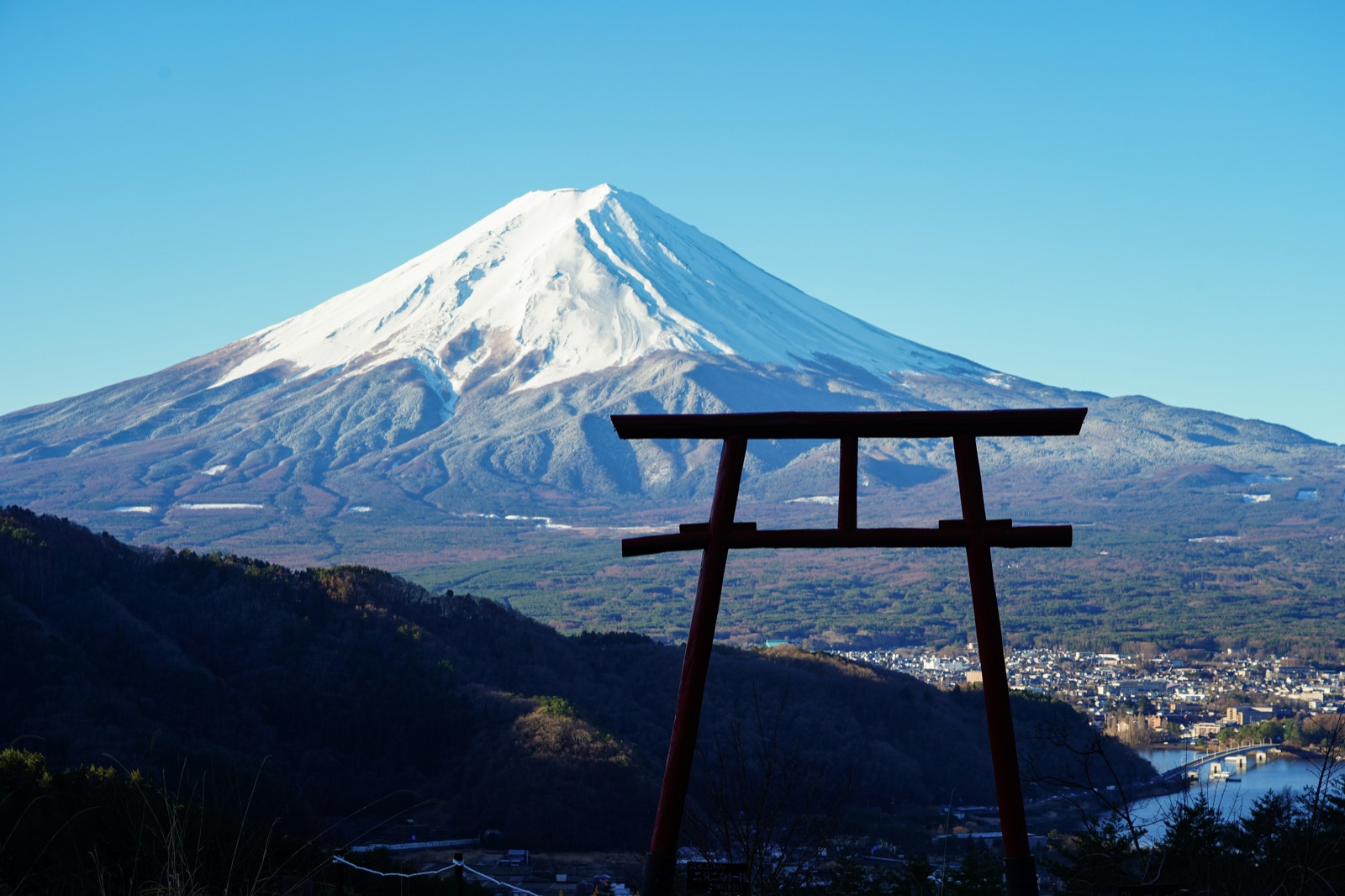
Japan's great 100-miler: 167 km anticlockwise around Fuji itself, from evening start waves into two nights of running. The mountain is the view, not the route — and the lottery, the kit list and the weather make the race thoroughly Japanese: exacting.
Course at a glance
Four evening waves leave Fuji City and circle the mountain anticlockwise: the Tenshi range and Asagiri plateau by night, Aokigahara's forest over thousand-year-old lava, Lake Shoji, Fuji-Q Highland's rollercoasters at 97 km, Oshino and Lake Yamanaka — then the late climbs before the drop to the stadium finish in Fujiyoshida.
Where you'll feel it
The course saves its final bosses for the end: Shakushiyama — the route's 1,597 m high point — and Shimoyama arrive after 140 km and the best part of two nights. The mid-pack queues form here; the climbing is honest and aimed exactly at your emptiest hours.
Best chance to push
Out of Lake Shoji the course runs park-smooth along the Tokai Nature Trail — mid-race, legs still willing, the one stretch where a pace plan survives contact with the course.
Three things to know
- Entry is a November lottery with ITRA points as the ticket: the 100mi wants a 4-point race (or two 3s) inside two years, proof uploaded from your ITRA page. The first-come back door is a donation entry at about ¥105,000.
- The kit list is the sport's strictest: 19 items, a pack weighing at least 2 kg out of every aid station, waterproof trousers as well as jacket, a portable toilet, two lights. Checks are spot checks and the penalty is disqualification.
- April at Fuji has cancelled one edition outright and cut another so short that only 91 runners finished. The organiser tells you to train in sub-zero rain — believe them, and plan for two nights out.
Race-day weather
Late April at the mountain's foot: mild afternoons around 16°C, nights near freezing on the course's high ground, and weather that has rewritten more than one edition. Most of the field sees two sunrises.
What runners wear
Everything hydrophobic, nothing cotton — the rules say so. You dress for night at the gun: thermals close, waterproofs reachable, gloves and an ear-covering hat mandatory. The 2 kg pack is your wardrobe; pack it like one.
Typical finish times
Chris Myers won 2026 in 17:50; the classic-course records stand at 18:15 and Courtney Dauwalter's 19:21. Mid-pack means 32 to 40 hours against the ~45-hour limit, and in a normal year about two-thirds of the field finishes.
Worth the trip?
For the 100-mile collector, essential: the World Trail Majors' Japanese jewel, ending with the mountain filling the sky above Fujiyoshida. Enter with respect — the lottery, the points and the two nights are all real. KAI and ASUMI serve the same views at saner doses.
Save Mt. FUJI 100 to your season and RunCalendar reminds you the morning entries open and before they close. Free on iPhone, no account needed.
Written by RunCalendar from the organiser's own published information and past editions. Entry states are checked nightly; everything else is written to last the season. This page is rebuilt every night from the RunCalendar catalogue.