Quick verdict
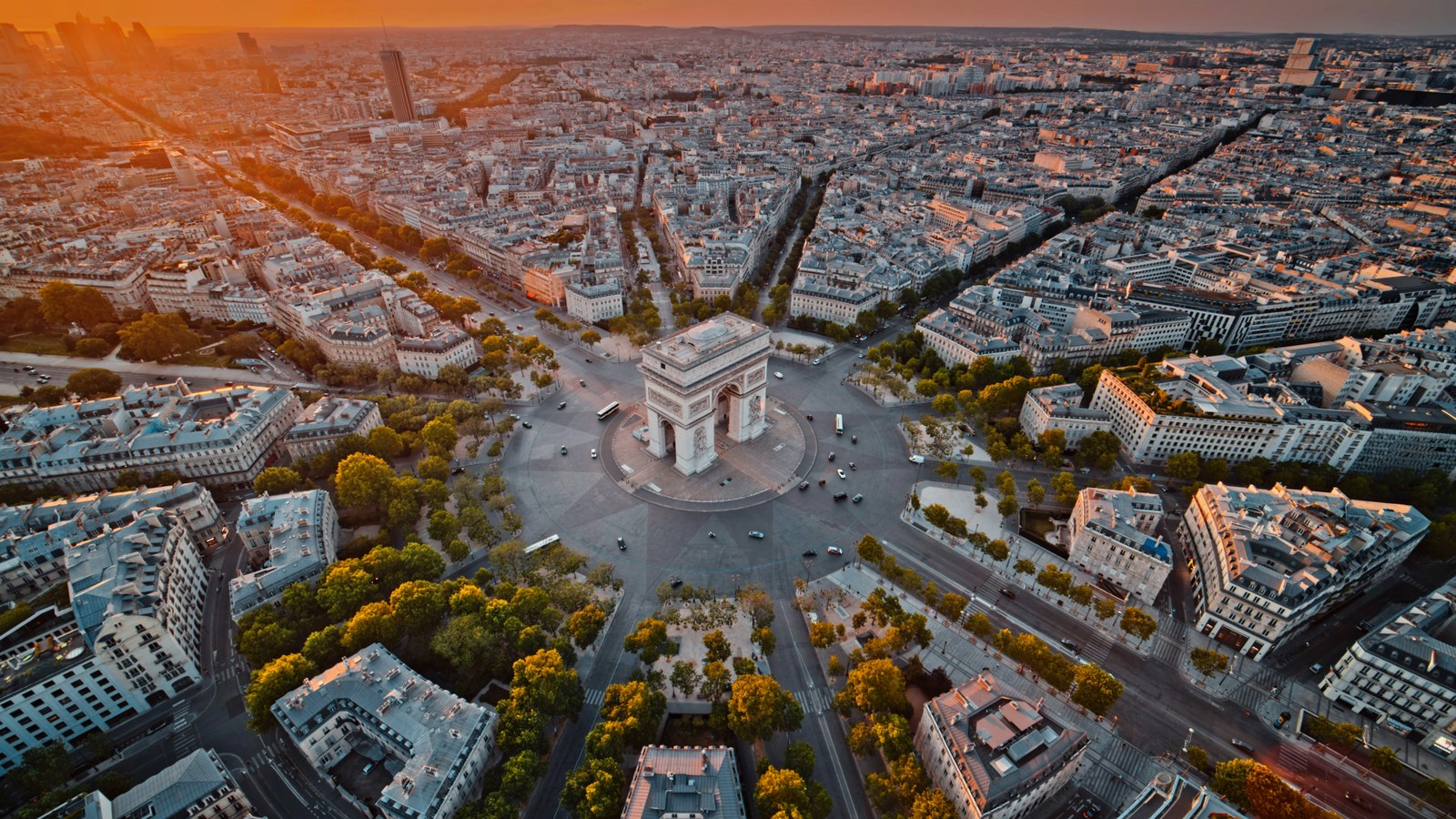
The largest marathon field on earth — 57,516 finished in 2026 — on a flat, fast tour of the city that starts on the Champs-Élysées and finishes beside the Arc de Triomphe. The 50th edition runs on 4 April 2027, and for the first time entry is a free draw: apply by 30 September, hear on 1 October, then 72 hours to pay €169.
Course at a glance
Down the Champs-Élysées from the Arc de Triomphe, round Place de la Concorde and along Rue de Rivoli past the Louvre to Bastille, then out east to the Bois de Vincennes for a long green loop, with halfway at Charenton on the way back. Into the city along the Seine — Île de la Cité, then the tunnels under the quays between 25 and 30K — past the Trocadéro and the Eiffel Tower at 30K, into the Bois de Boulogne from 34K, and a final straight up Avenue Foch to the finish beneath the Arc. About 164 m of climbing in all.
Where you'll feel it
The Bois de Boulogne, 34–40K. After the Seine and the Eiffel Tower the course goes quiet: a rolling wooded loop with thin crowds and nothing to look at but the runners in front of you. It is not steep, but the tunnel ramps along the quays have already tested your legs, and this is where the day is decided.
Best chance to push
The Seine from Bastille to the Eiffel Tower, 22–30K: flat, fast and beside the water, with the crowds thickening at every bridge. Ride it, mind your footing in the tunnels, and keep something for the Bois de Boulogne.
Three things to know
- Entry is a free draw for the first time: apply by 30 September, results by email on 1 October, then a strict 72 hours to pay €169. Groups of two to six can enter together so one winning bib brings the whole group in. Save the race and we'll remind you before the draw closes.
- No bottles, no cups: you carry a flask and refill it at aid stations every 2.5 km. Train with the flask you will race with — the 7-hour limit was widened for exactly this.
- Waves start from around 8:00 on the Champs-Élysées and the field is 50,000-plus, so reach your corral early; the walk from the Métro is longer than it looks. The Paris Half runs Sunday 7 March 2027 if you want the city twice.
Race-day weather
Early April in Paris: about 7°C at the start, climbing to 12–16°C by late morning, mostly dry, with a chance of a cold shower or a surprisingly warm sun. The tunnels along the Seine are cool; the Bois de Boulogne is sheltered.
What runners wear
A singlet or short sleeves and shorts, a throwaway layer for the long wait on the Champs-Élysées, and light gloves for the first 10K that most people have binned by Bastille. A cap earns its place if the sun comes out over the Bois.
Typical finish times
Course records are 2:04:21 (Elisha Rotich, 2021) and 2:18:33 (Shure Demise, 2026). 57,516 finished in 2026, the largest marathon field in the world, and the road stays open a full seven hours.
Worth the trip?
Yes, without hesitation. It is the world's biggest marathon, on a fast course past the Louvre, the Eiffel Tower and the Arc de Triomphe, in a city that needs no further argument. The 50th edition is the one to be in.
Save Paris Marathon to your season and RunCalendar reminds you the morning entries open and before they close. Free on iPhone, no account needed.
Written by RunCalendar from the organiser's own published information and past editions. Entry states are checked nightly; everything else is written to last the season. This page is rebuilt every night from the RunCalendar catalogue.