Quick verdict
Rome is the flattest way to see the most: the course never climbs above 31 m, and one loop threads the Colosseum, the Circus Maximus, St Peter's, Piazza Navona and the Spanish Steps together. The catch is underfoot — long stretches of sampietrini cobbles that punish tired legs in the second half. A March date, a 6 h 30 limit and 30,000 places make it the most enterable of Europe's great-city marathons.
Course at a glance
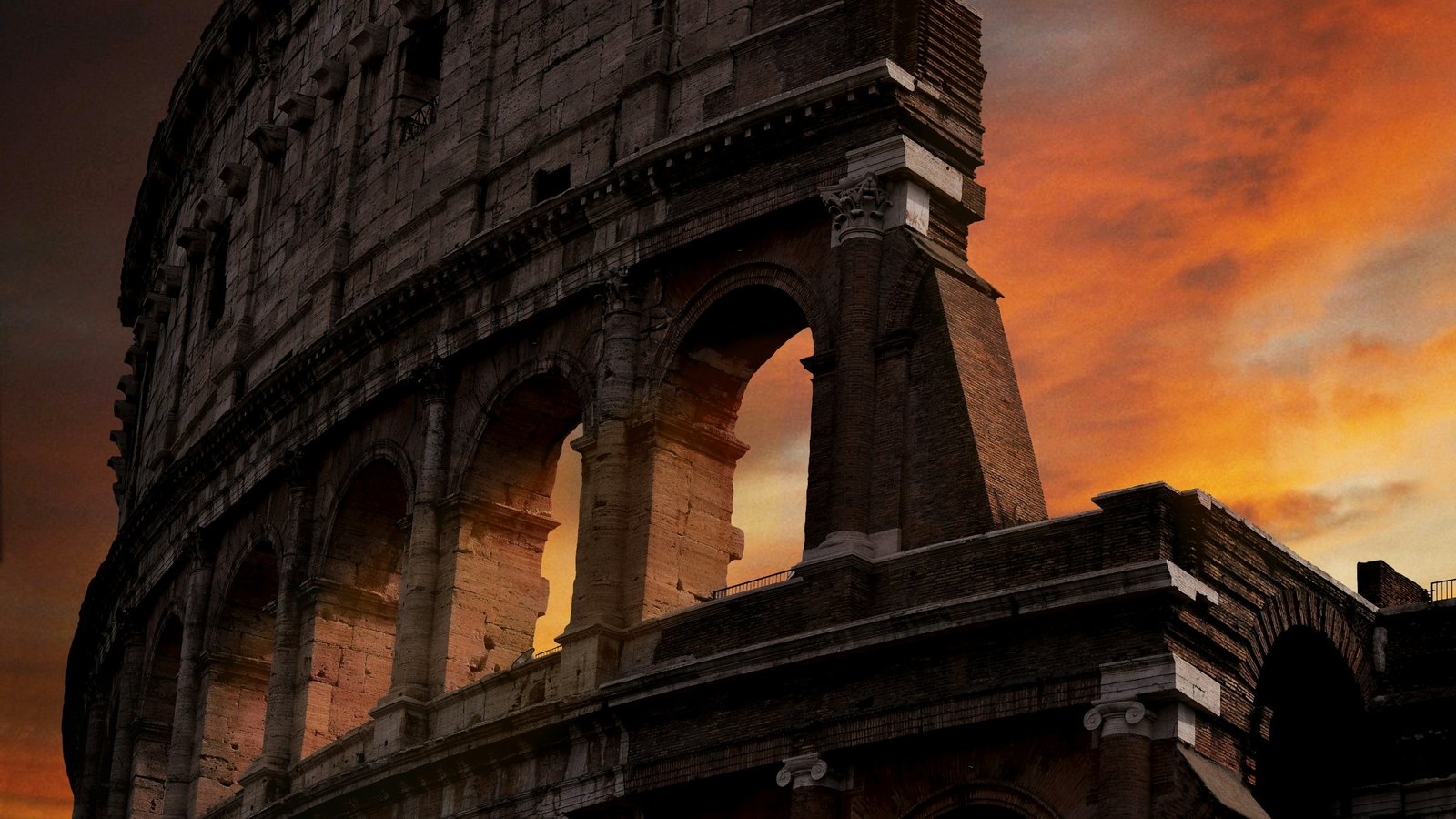
One loop from Via dei Fori Imperiali with the Colosseum at your back. South past the Circus Maximus to San Paolo and the Pyramid, then north along the Tiber past Tiber Island to Castel Sant'Angelo and Via della Conciliazione, where St Peter's fills the road ahead. The Foro Italico and Ponte Milvio mark the far turn; the Auditorium, Piazza del Popolo, the Spanish Steps and Piazza Navona bring you back past the Vittoriano and the Bocca della Verità to the finish at the Circus Maximus.
Where you'll feel it
Not on a hill — there are none worth the name — but on the stones. The sampietrini through the historic centre arrive late, from Piazza del Popolo to the Forum, exactly when your calves have least to give; the camber of the Lungotevere and the tight turns of the old streets add their own tax.
Best chance to push
The Lungotevere, roughly 12–20 km: flat, wide, smooth asphalt along the river with St Peter's ahead. Bank your rhythm here before the centre's stones.
Three things to know
- Entries are open now and close on 28 February 2027, or the day the 30,000th bib goes — prices climb through tiers from €89, so the cheapest bib is the earliest one.
- Five waves from 08:15 to 09:00 after the 08:00 wheelchair start, and a 6 hour 30 minute limit — generous enough for a walk-run first marathon.
- Cushioned road shoes for the cobbles, and plan your Rome for after the race: the expo, the Saturday 5K fun run and the four-leg Run4Rome relay make it a weekend, and the centre is closed to traffic for the morning.
Race-day weather
Mid-March in Rome is spring by name and usually by nature: 8–10°C at the start, mid-teens by the finish, sun more likely than rain but neither guaranteed. Wind along the Tiber is the wildcard on the riverside kilometres.
What runners wear
Shorts and a singlet or light tee for most; arm sleeves or a throwaway layer for the corral and the first cool kilometres. Cushioned road shoes over racing flats — the stones are the reason.
Typical finish times
Asbel Rutto's 2:06:24 (2024) and Pascaline Kibiwot's 2:22:44 (2026) are the course records; Rutto won again in 2026 by four seconds. Behind them the 2026 edition drew more than 35,000 runners across its events from 166 countries, and the 6 h 30 limit brings the back of the field home in the early afternoon.
Worth the trip?
If one European city marathon is on your list for the sights, this is the flat one — every landmark on the postcard is on the course. Go for the tour, respect the stones, and make it a long weekend: March is Rome before the crowds.
Save Rome Marathon to your season and RunCalendar reminds you the morning entries open and before they close. Free on iPhone, no account needed.
Written by RunCalendar from the organiser's own published information and past editions. Entry states are checked nightly; everything else is written to last the season. This page is rebuilt every night from the RunCalendar catalogue.